Muka · Pregnancy guide
Caffeine During Pregnancy: How Much Is Safe?
Updated June 2026 · based on NHS and official food-safety guidance
The NHS, ACOG and FDA all set the same limit: no more than 200mg of caffeine a day from all sources combined, not coffee alone. Regularly going over this amount is linked to a higher risk of low birthweight and, the NHS notes, miscarriage, because caffeine crosses the placenta and your baby clears it much more slowly than you do. Tally everything — coffee, tea, cola, energy drinks and chocolate — to stay under the cap.
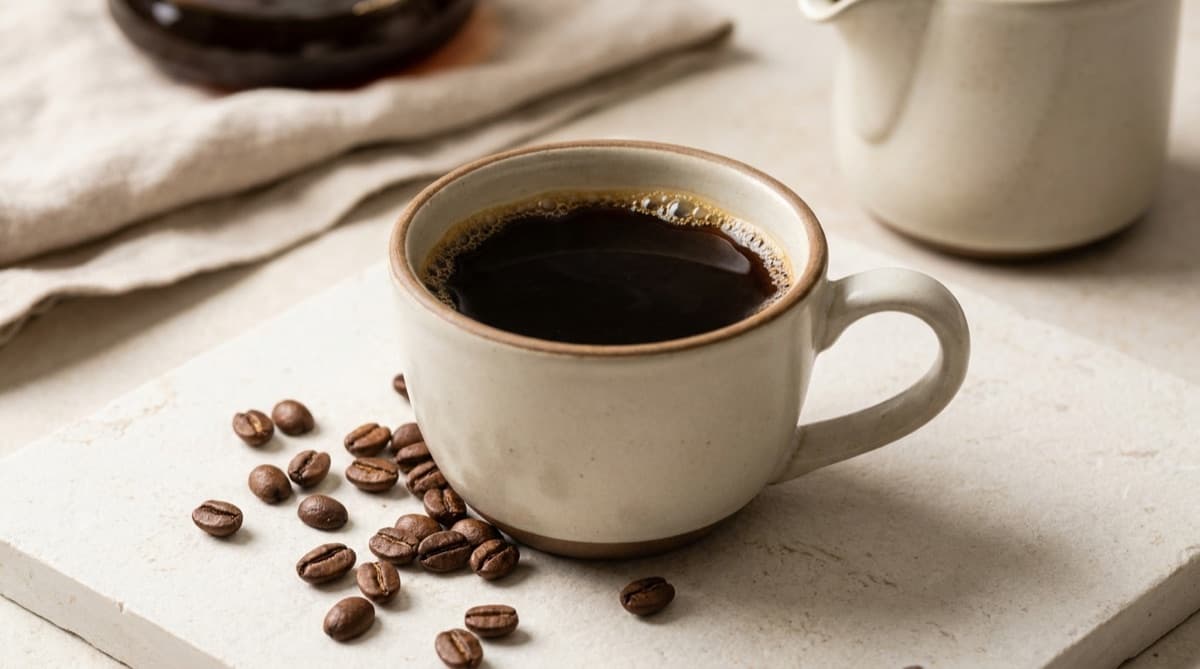
Caffeine is one of the first things people wonder about once they see a positive test, and the good news is you don't have to give it up completely. Health authorities on both sides of the Atlantic agree on a single number: keep caffeine under 200mg a day. The catch is that 200mg is a daily budget covering every source, not a per-drink allowance — a single mug of filter coffee can use up to 140mg of it, and tea, cola, energy drinks and even dark chocolate all add up. Below you'll find the caffeine in common items so you can do the maths, plus answers to the questions people search most. If you're unsure how much is in a packaged product, scanning it with Muka shows the caffeine content and whether it fits your daily limit. For a specific product, the Muka app gives you a verdict in 3 seconds by barcode scan or photo.
Common caffeine sources and how they fit your 200mg daily limit
| Source | Verdict | Caffeine and why |
|---|---|---|
| Mug of instant coffee (~100mg) | In moderation | About 100mg per mug, so two mugs sit right at the 200mg daily cap and leave no room for any other caffeine. Fine in small amounts, but treat one mug as a meaningful chunk of your budget and watch what else you have. |
| Mug of filter / brewed coffee (~140mg) | In moderation | Around 140mg per mug — a single large filter coffee can use most of your 200mg budget, and a second mug would push you over. Limit to one and watch other sources. |
| Mug of tea, black or green (~75mg) | Safe | About 75mg per mug, so a couple of cups fit comfortably under 200mg. Green and black tea both count toward your total, so include them in your tally. |
| Can of cola (~40mg) | Safe | Around 40mg per can — low on its own and fine in moderation, but it still adds up alongside coffee, tea and chocolate across the day. |
| Energy drink (~80mg per 250ml, often far more) | Avoid | A 250ml can has about 80mg, and larger cans can reach 150mg or more in one go. Energy drinks are best avoided in pregnancy — they're high in caffeine and contain other added stimulants like taurine and guarana with limited safety data. |
| 50g bar of plain dark chocolate (<25mg) | Safe | Less than 25mg per 50g of dark chocolate, and under 10mg for milk chocolate. A small amount barely dents your daily budget, so chocolate is fine in moderation. |
| Decaffeinated coffee or tea (2–15mg) | Safe | Decaf is not caffeine-free but very low — roughly 2–15mg a cup. ACOG considers it a safe option, making it an easy swap once you've used up your 200mg. |
Not sure about a specific product?
Scan its barcode or snap a photo: Muka tells you in 3 seconds whether it's safe to eat while pregnant, explains why, and suggests a safe alternative. 10 free checks every week.
Download Muka on the App StoreFrequently asked questions
How much caffeine can I have during pregnancy?
No more than 200mg a day, according to the NHS, ACOG and FDA. That's roughly two mugs of instant coffee, or one to two mugs of filter coffee. Remember the limit covers all sources combined — tea, cola, energy drinks and chocolate count toward it too, not just coffee.
Is one cup of coffee a day safe when pregnant?
Yes. One mug of instant coffee is about 100mg and one filter coffee around 140mg, both within the 200mg daily limit. A single daily coffee is considered fine by the NHS and ACOG, as long as your other caffeine sources don't push your total over 200mg.
Why is caffeine limited during pregnancy?
Caffeine crosses the placenta, and your baby's developing system breaks it down far more slowly than you do. Regularly having more than 200mg a day is linked to a higher risk of low birthweight, and the NHS also notes miscarriage, which is why authorities advise keeping your daily intake under that cap.
I had too much caffeine before I knew I was pregnant — should I worry?
Try not to panic. The 200mg guidance is about regular daily intake over time, not a single high day. Occasional higher amounts before you knew are very unlikely to cause harm. Simply cut back to under 200mg a day going forward and mention any concerns to your midwife or doctor.
Can I drink energy drinks during pregnancy?
It's best to avoid them. Energy drinks are high in caffeine — a 250ml can has about 80mg and larger cans far more — and contain other added stimulants like taurine and guarana with limited safety data. Choose water, decaf or a small coffee instead.
Sources
- NHS — Foods to avoid in pregnancy : nhs.uk
See also: how Muka works, the pregnancy food scanner that answers “can I eat this while pregnant?”.